
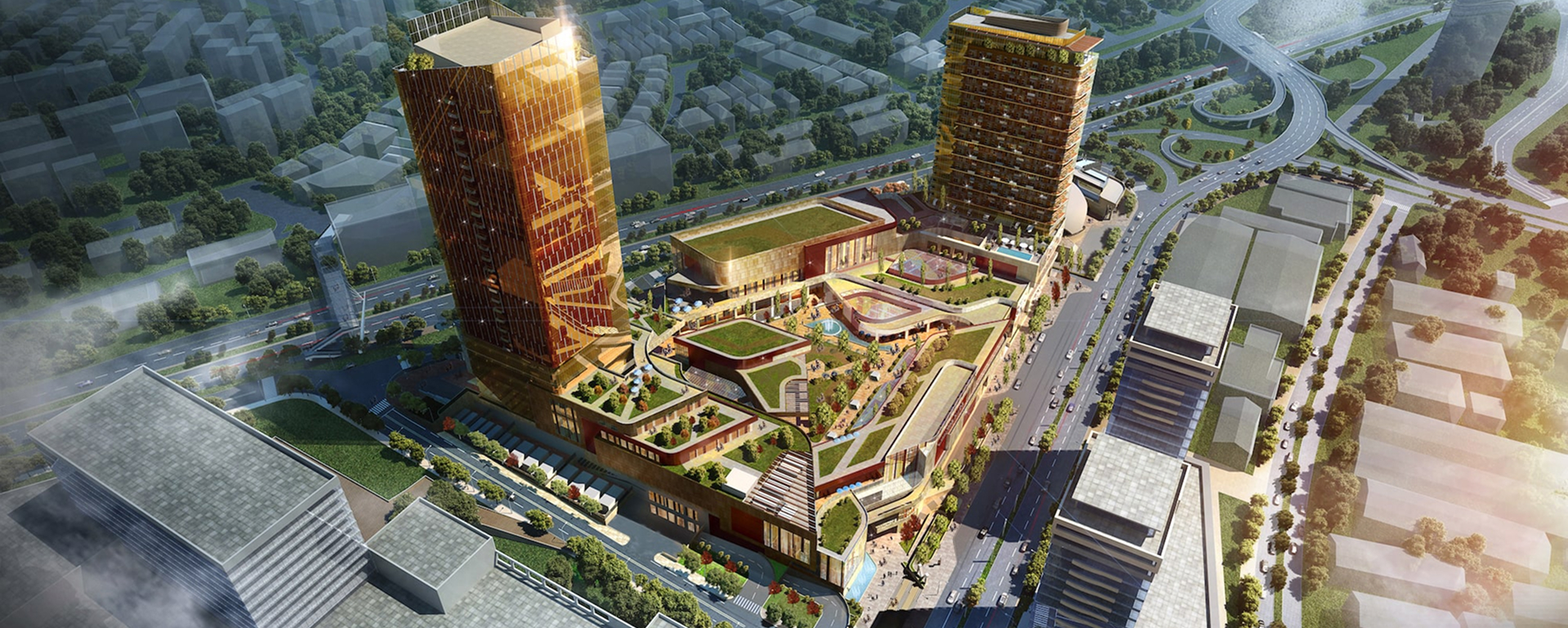
Innovative Façade Lighting and Digital Façade Technologies: Shaping the Future of Architecture
As architecture continues to evolve, building façades are no longer viewed solely as protective envelopes. Today, they have become intelligent, dynamic interfaces that combine aesthetics, sustainability, technology, and user experience. Modern façade design plays a vital role in defining a building’s identity while contributing to environmental performance and urban character.
At Çamoğlu Architecture, we believe that innovative façade solutions should do more than create visual impact—they should enhance functionality, improve energy efficiency, and create meaningful interactions between buildings, people, and their surroundings.
The Architectural Value of Façade Lighting
Façade lighting has become one of the most influential design elements in contemporary architecture. Beyond illuminating a building at night, it emphasizes architectural form, highlights material textures, and reinforces the overall design concept.
A carefully designed lighting strategy transforms a building into a recognizable landmark while creating a welcoming atmosphere for occupants and visitors. Through the strategic placement of light, architects can accentuate structural elements, reveal depth and geometry, and establish a distinctive nighttime identity.
Advancements in LED technology have significantly expanded design possibilities. Modern LED systems offer exceptional energy efficiency, long operational life, minimal maintenance requirements, and precise control over color temperature and brightness. These advantages enable architects to create visually compelling façades while supporting sustainable building practices.
Furthermore, intelligent lighting control systems allow illumination scenarios to adapt automatically according to daylight conditions, occupancy schedules, seasonal changes, or special events. This flexibility not only reduces energy consumption but also enables buildings to express different identities throughout the day and night.
Digital Façades: The Evolution of Building Envelopes
Digital transformation is reshaping the role of building façades. Rather than serving as static architectural elements, façades are increasingly becoming responsive surfaces capable of displaying information, generating interactive experiences, and integrating seamlessly with smart building technologies.
Media Façades
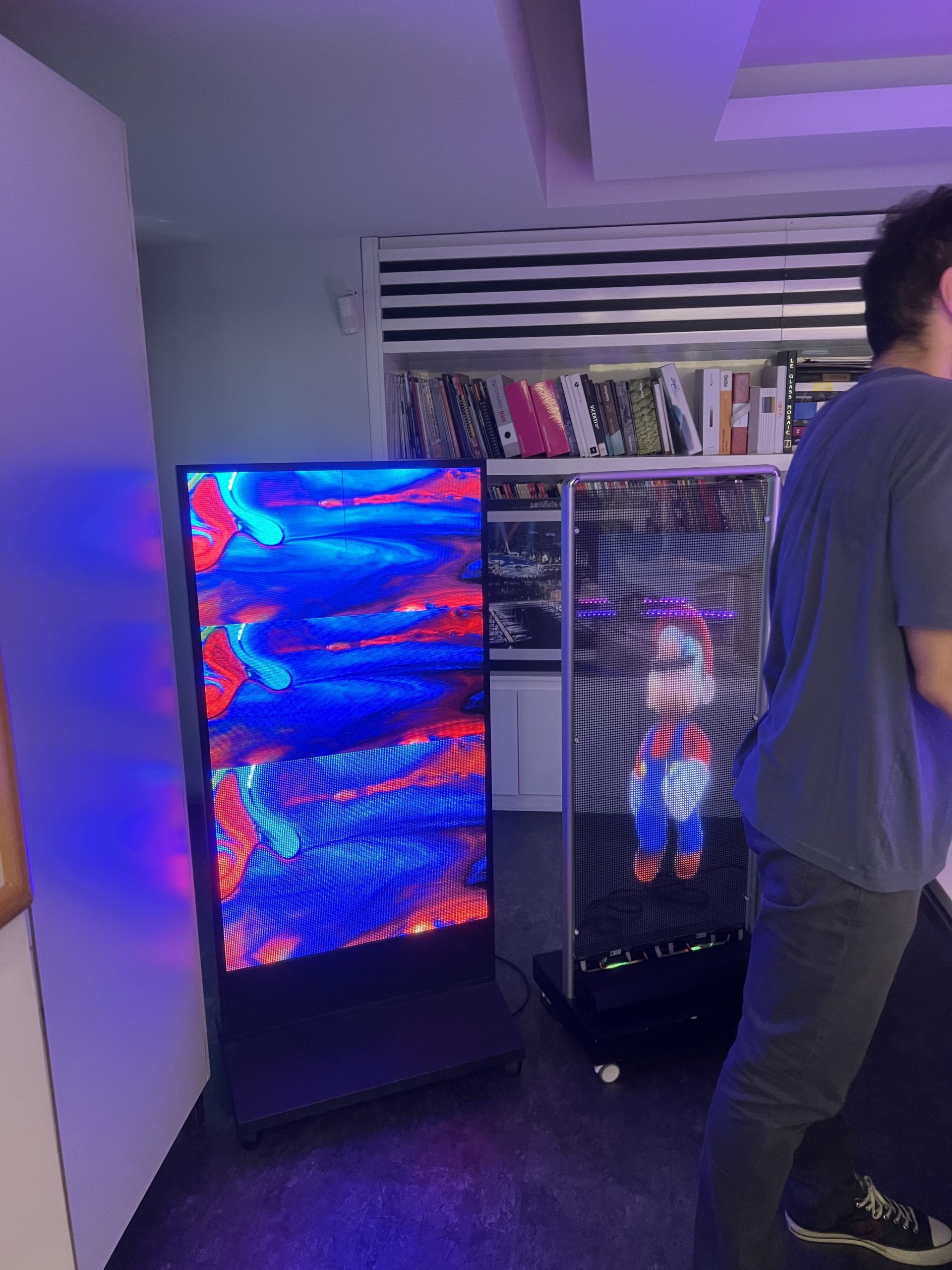
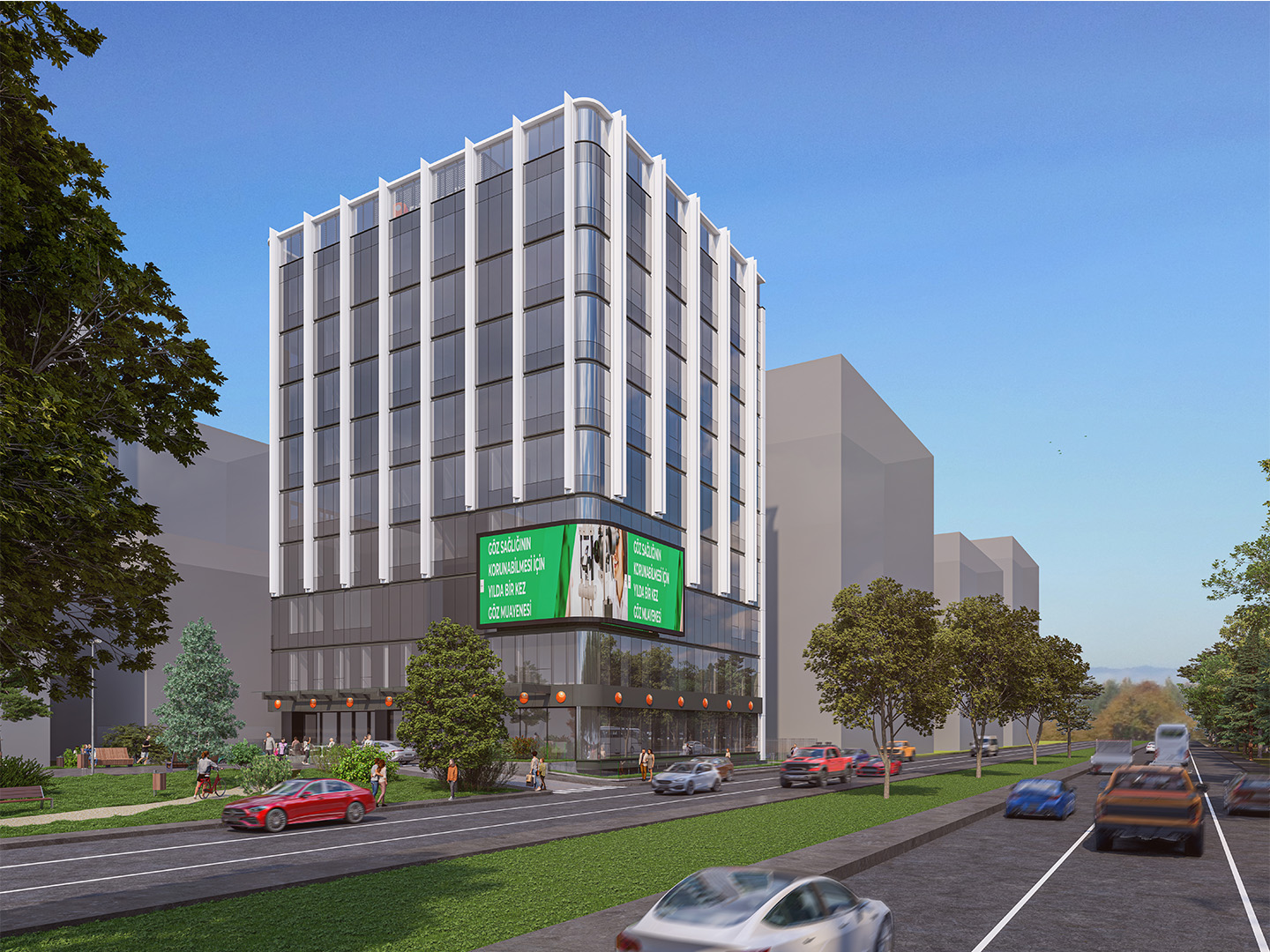
Media façades utilize high-resolution LED systems integrated into building exteriors, transforming entire façades into digital communication platforms. These systems can display artistic installations, cultural content, branding campaigns, or dynamic visual experiences while preserving the architectural integrity of the building.
Commonly used in commercial developments, cultural institutions, hotels, airports, and mixed-use complexes, media façades create memorable urban landmarks that strengthen a project’s identity.
Transparent LED Glass
Transparent LED technology enables digital content to be displayed directly on glazed façades without significantly obstructing daylight or exterior views. This innovative solution allows architects to maintain the elegance of glass curtain walls while introducing digital functionality.
Luxury retail stores, flagship showrooms, airports, and premium office buildings increasingly utilize transparent LED systems to create immersive visual experiences without compromising transparency.
Smart Glass Technologies
Electrochromic and PDLC (Polymer Dispersed Liquid Crystal) glazing systems represent another major innovation in façade design. These intelligent glass solutions can alter their transparency electronically, allowing buildings to regulate daylight, solar heat gain, and privacy in real time.
By reducing cooling loads and improving indoor comfort, smart glazing contributes significantly to sustainable building performance while offering greater flexibility for interior environments.
Dynamic Shading Systems
Responsive shading systems automatically adjust according to solar orientation, weather conditions, and indoor environmental requirements. Operated through sensors and building management systems, movable louvers and kinetic façade components optimize daylight while minimizing glare and excessive heat gain.
Beyond their environmental benefits, dynamic façades introduce movement into architecture, creating buildings that visually evolve throughout the day.
Interactive Façades
Emerging technologies are enabling façades to respond directly to users and environmental conditions. Motion sensors, artificial intelligence, mobile connectivity, and real-time data integration allow lighting patterns and digital content to change dynamically based on human interaction or external stimuli.
Interactive façades blur the boundary between architecture and digital media, transforming buildings into engaging public experiences.
Artificial Intelligence and Smart Façade Management
Artificial intelligence is becoming an essential component of next-generation building envelopes. AI-powered building management systems continuously analyze environmental data—including solar radiation, weather forecasts, occupancy levels, and energy consumption—to optimize façade performance automatically.
Integrated systems can simultaneously manage lighting, shading, ventilation, and climate control, maximizing occupant comfort while minimizing operational costs. Predictive algorithms further improve efficiency by anticipating environmental changes before they occur, making buildings more adaptive and resilient.
Looking Ahead
The future of architecture lies in intelligent, responsive, and sustainable building envelopes. As digital technologies continue to evolve, façades will increasingly serve as active participants in building performance rather than passive exterior shells.
Architects are now designing façades capable of producing renewable energy, communicating with users, adapting to changing environmental conditions, and enhancing urban experiences through interactive technologies. This convergence of architecture, engineering, and digital innovation is redefining how buildings function within modern cities.
At Çamoğlu Architecture, we view façade design as a multidisciplinary process that balances aesthetics, technology, sustainability, and human experience. By embracing emerging digital solutions and innovative lighting strategies, we create architectural environments that are not only visually compelling but also intelligent, efficient, and prepared for the future.
As architecture moves toward smarter and more connected cities, innovative façade systems will continue to play a fundamental role in shaping sustainable urban environments and delivering lasting value for clients, communities, and future generations.